Functional butyl compounds as a design element in premium projects
In the dynamically evolving world of premium custom projects within both the automotive and marine industries, attention to detail is paramount. Precision, visual consistency, and uncompromising quality standards mean that even the least visible components can significantly influence the final perception of a product.
One often underestimated yet critically important aspect is the selection of functional butyl compound colors. These specialized materials play a fundamental role in sealing, sound insulation, and protection against external factors, while their color can become a deliberate design choice, enhancing the overall coherence and perceived quality of premium builds.
Why does the color of butyl compounds matter in automotive and marine applications?
The aesthetics of hidden components in luxury projects
In premium-class projects, every detail matters. During restoration, customization, or the construction of luxury vehicles and yachts, structures are frequently examined in depth. In such cases, even technical elements—such as seals, insulation layers, and sound-deadening materials—become visible.
The use of standard black or grey butyl compounds may:
-
disrupt visual harmony,
-
reduce the perceived level of craftsmanship,
-
clash with a carefully curated color palette of interiors or hull structures.
A conscious color selection of butyl compounds helps maintain aesthetic consistency and highlights the professionalism of the execution.
Functional butyl compounds in premium projects – where performance meets aesthetics
Key properties of functional butyl compounds
Butyl compounds are widely used in automotive and marine applications due to their exceptional technical properties:
-
High sealing performance – effective protection against water, air, and dust
-
Vibration and noise damping – improved acoustic comfort
-
Resistance to environmental conditions – long-term stability under temperature fluctuations, UV exposure, and moisture
-
Flexibility and excellent adhesion – reliable bonding to a wide range of surfaces
Traditionally, color was considered secondary to performance. However, in premium projects, where aesthetic expectations equal technical requirements, color becomes an integral part of the design process.
Custom color selection of butyl compounds – from concept to execution
Personalization of technical materials in premium-class projects
The process of selecting the color of functional butyl compounds increasingly begins at the conceptual design stage. Designers, yacht architects, and automotive specialists incorporate butyl materials into the overall color scheme, treating them as a component of a cohesive visual identity.
Customization options include:
-
matching compound colors to upholstery, bodywork, or structural elements,
-
using deliberate contrasts to emphasize technical details,
-
developing non-standard shades for prototype and one-off premium projects.
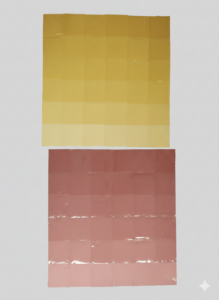
The accompanying color samples—ranging from bright, energetic yellows to deep, refined shades of pink and red—clearly demonstrate the potential for customization of butyl compounds in automotive premium and marine premium applications.