


Most polymer materials we encounter every day—from sealants and tapes to flooring and automotive components—are much more than just the polymer itself. Their performance depends not only on the polymer matrix but also on a carefully selected combination of additives, among which fillers play a particularly important role. Fillers significantly influence the weight, processability, and final properties of the finished product.
For many years, one of the most widely used fillers has been calcium carbonate. It is a well-established raw material that has been extensively applied across numerous industries. However, as market expectations continue to grow, an increasingly important question arises: can material performance be further improved by using modern alternatives?
One of the most promising solutions is glass microspheres—microscopic spherical particles characterized by exceptionally low density. Thanks to their unique structure, they enable the development of materials that are lighter, easier to process, and more dimensionally stable. Their regular spherical shape improves compound flow during processing, while their low weight opens new possibilities for designing products with an improved strength-to-weight ratio. These characteristics have attracted growing interest in industries where weight reduction must be achieved without compromising sealing performance, including automotive, construction, aerospace, and unmanned aerial systems (UAVs).
However, introducing such materials is far more complex than simply replacing one ingredient with another. Every new filler alters the behavior of the entire compound, making it essential to thoroughly evaluate its influence on both the manufacturing process and the final product properties. Developing an optimal formulation requires extensive laboratory research, testing, and analysis.
This is precisely the type of work carried out by our R&D team. We continuously seek innovative solutions that enable the development of advanced butyl materials while meeting the growing demands of our customers and modern industry. We evaluate novel raw materials, verify their potential, and assess how they can improve the performance of our products.
One example is a recent research project focused on evaluating the application of advanced fillers in butyl compounds. The project’s objective was to identify solutions that would enable the production of lighter, more efficient materials better suited to future industrial applications.
Evaluating New Fillers – How We Verified Their Potential
Glass microspheres can significantly influence the properties of polymer compounds. In practice, however, every butyl formulation behaves differently, and even minor compositional changes may affect both the manufacturing process and the performance of the finished product. For this reason, our R&D team does not rely solely on theoretical assumptions—every concept is validated under conditions closely resembling actual industrial production.
As part of the research project, we prepared a series of experimental butyl compounds in which conventional fillers were partially replaced with different types of glass microspheres. Several microsphere grades, varying in structure and properties, were evaluated to determine their influence on material behavior and identify those best suited for specific applications.
Each formulation underwent comprehensive testing. We assessed not only the effect of the new fillers on material density but also their influence on processing characteristics and functional performance. Particular attention was paid to compound behavior during application, dimensional stability, and parameters critical for future industrial use. This comprehensive approach allowed us to evaluate the material as a complete engineering solution rather than focusing on isolated performance indicators.
In parallel, we also investigated the thermal resistance of the glass microspheres. These tests provided valuable information about their behavior at elevated temperatures and helped identify potential applications in materials designed for more demanding operating environments.
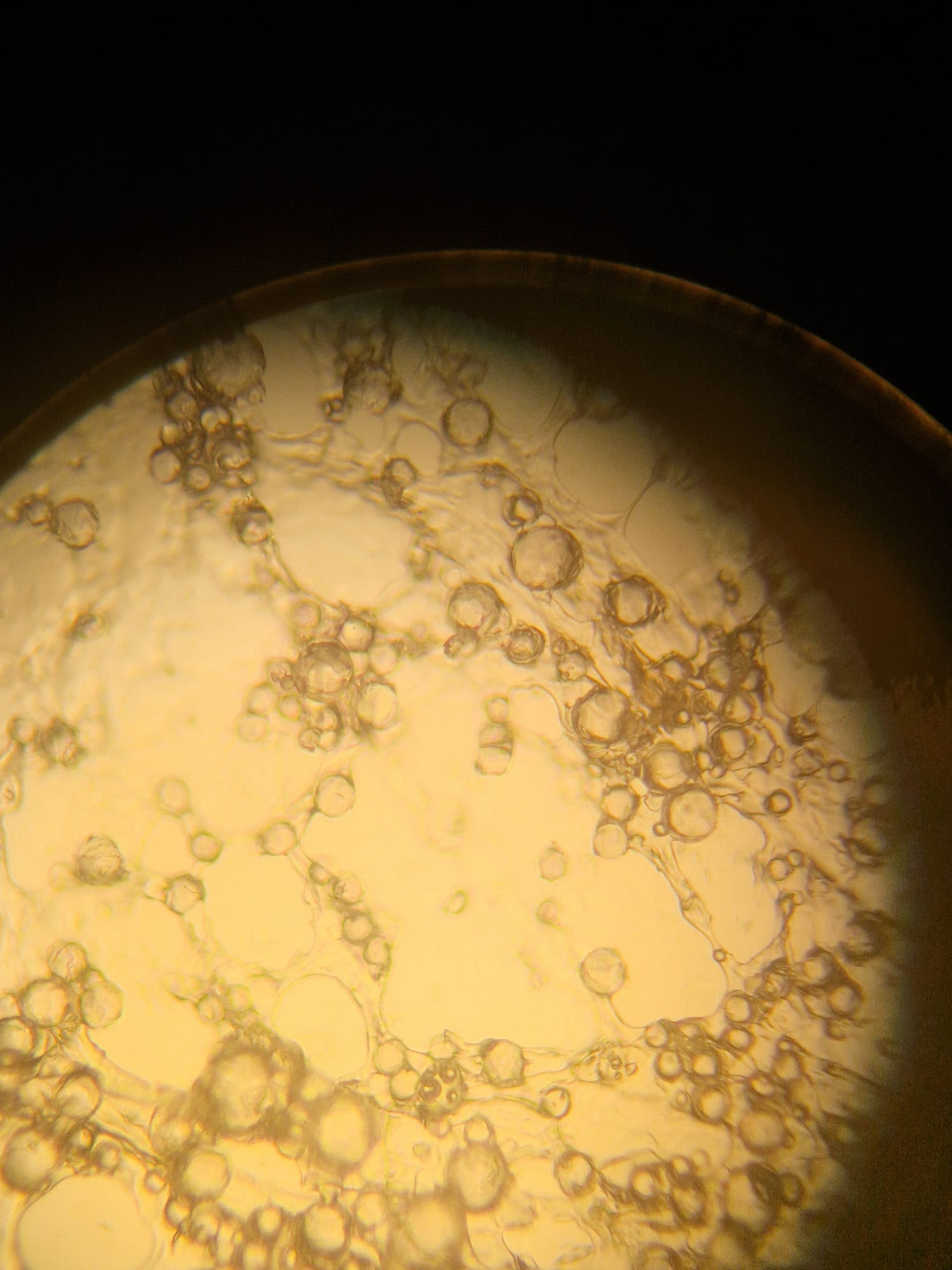
Figure 1. Microscopic image of a sample containing glass microspheres.
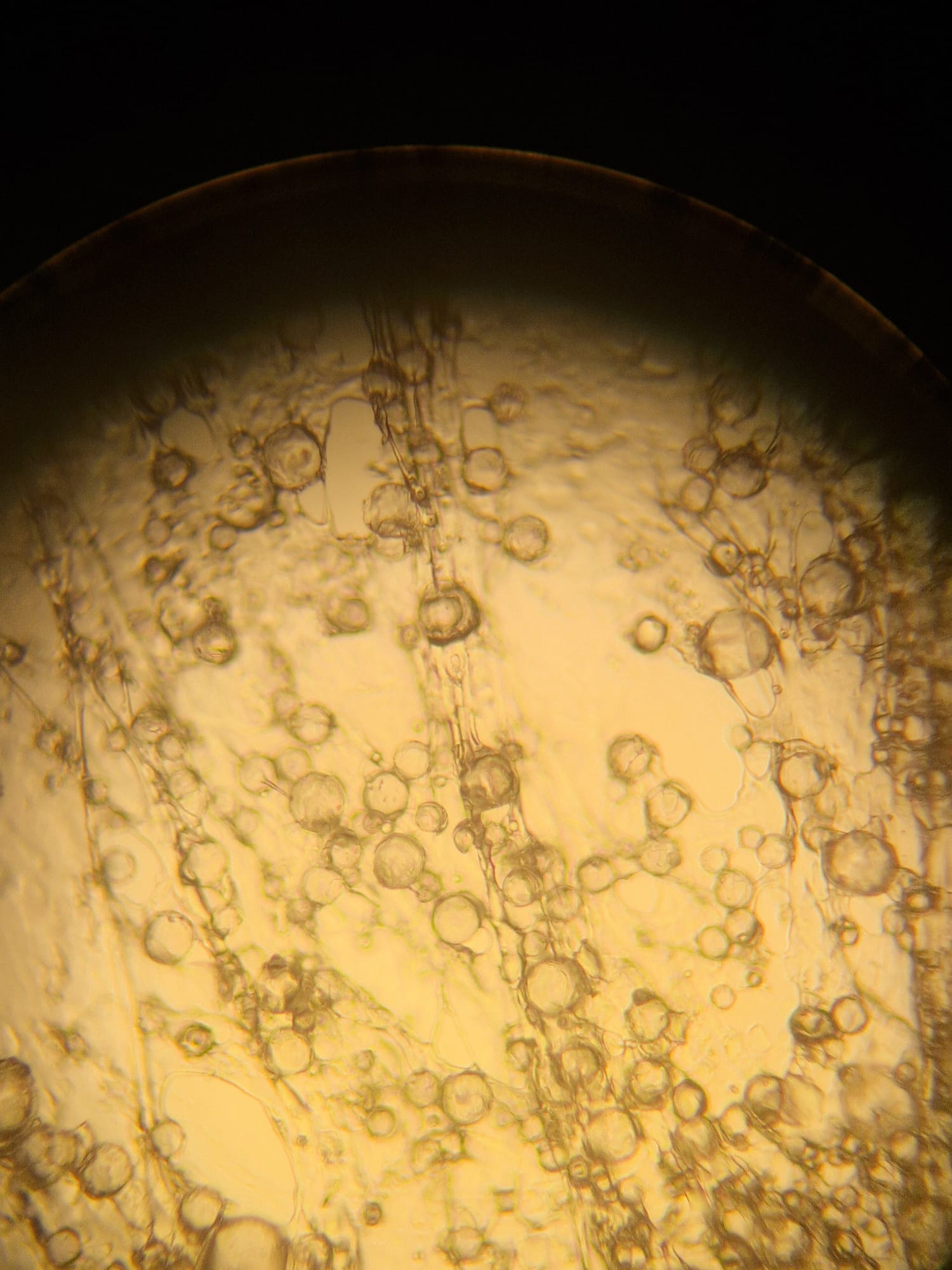
Figure 2. Microscopic image of a sample containing glass microspheres.
What Did the Research Reveal?
The results confirmed that glass microspheres are much more than a simple alternative to conventional fillers. When properly selected, they can significantly modify the characteristics of butyl compounds, opening new possibilities for advanced material design.
The most noticeable outcome was a substantial reduction in the density of the developed butyl compounds. The incorporation of glass microspheres enabled the production of significantly lighter materials while maintaining their functionality. This creates new opportunities for designing lightweight butyl materials used not only as sealants and butyl tapes but also as vibration and noise damping materials (sound-deadening products). In these applications, reducing weight without compromising performance is becoming increasingly important, particularly in the automotive, electric mobility, railway transportation, and aerospace industries. Lighter materials can contribute to improved structural efficiency, reduced energy consumption, and greater design flexibility for modern engineering solutions.
The study also demonstrated a positive effect on material processing. Thanks to their spherical geometry, the microspheres improved the rheological behavior of the compounds, resulting in easier processing and application. Importantly, the enhanced processability was achieved without sacrificing functional performance. In many cases, key properties responsible for sealing effectiveness were maintained or even improved.
The developed butyl compounds have the potential to be used in modern construction, automotive, and electronics industries, where sealing materials are expected to combine high durability with easy application and consistent manufacturing performance. Growing demand also exists in sectors focused on lightweight structures and next-generation components.
At the same time, the project confirmed that no single universal solution exists. Different types of glass microspheres exhibited different performance characteristics. Some proved particularly effective in achieving maximum weight reduction, while others offered greater improvements in processing behavior or end-use properties. These findings demonstrate that successful formulation of advanced compounds requires not only careful selection of raw materials but also a thorough understanding of their interactions within the system.
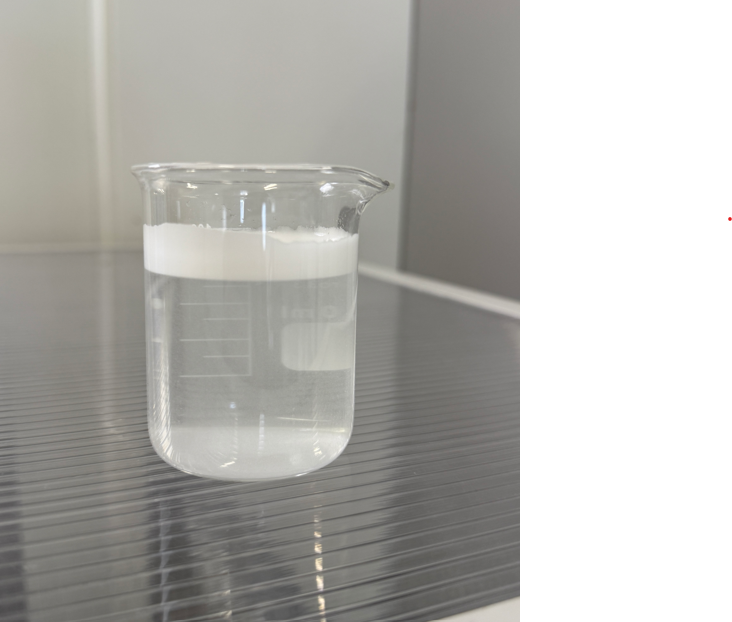
Figure 3. Glass microspheres floating on the surface of water.
Another interesting outcome involved thermal resistance testing. The behavior of the microspheres at elevated temperatures indicated promising potential for use in materials intended for more demanding service conditions. Some of the investigated glass microspheres formed dense, solid agglomerates after exposure to high temperatures. This phenomenon represents an interesting direction for further research and development.
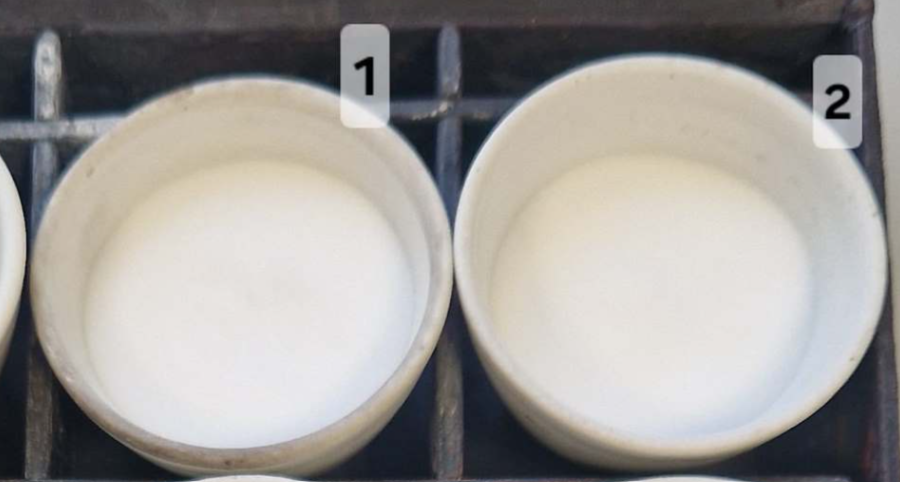
Figure 4. Glass microspheres before heat treatment.
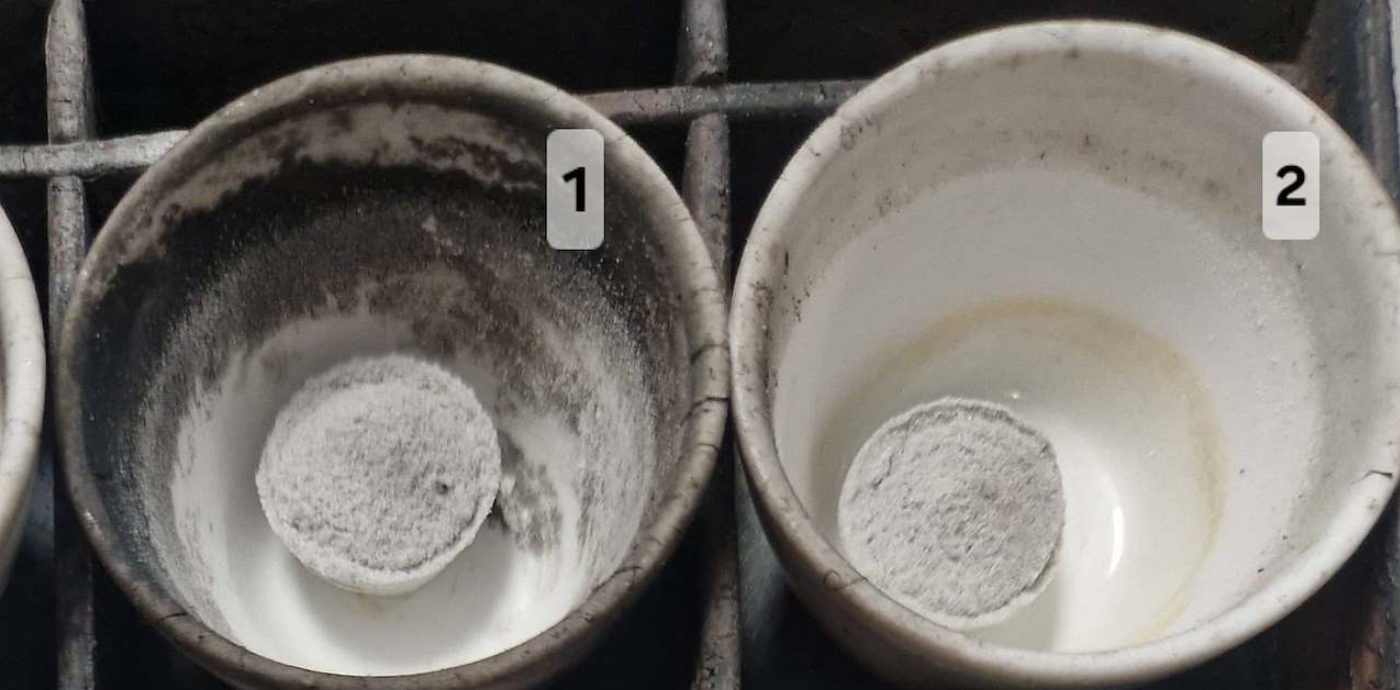
Figure 5. Glass microspheres after heat treatment.
Looking Ahead
This project illustrates the way our R&D department approaches innovation. We do not simply search for substitutes for existing raw materials. Our goal is to develop the next generation of butyl compounds and advanced sealing materials that are lighter, more functional, and better suited to the evolving needs of modern industry.
The solutions we are developing may find applications not only in construction and automotive industries but also in rapidly growing sectors such as aerospace, unmanned aerial systems (UAVs), electric mobility, and advanced industrial technologies.
Every completed project serves as a foundation for further research, allowing us to continuously expand our technological expertise and develop innovative materials for the future.