


Butyl rubber is best known for its very low permeability to water vapour and gases. This makes it the basis of the primary barrier in applications such as insulating glass units, roofing tapes and automotive seals. Yet the polymer itself is only one part of the formulation. Whether a sealant adheres well, retains its shape in hot conditions and prevents its components from migrating to the surface or into adjacent materials over the years depends on the resin.
What does resin do in a sealant?
Butyl sealants use tackifying resins, also called tackifiers, to develop tack. Tack is the ability to stick immediately under light pressure. A sticking plaster is a simple example: light contact is enough for it to adhere. These resins have much lower molecular weights than rubber, but forming a homogeneous blend also depends on chemical compatibility with the polymer. Solid grades may resemble hard, brittle amber or rosin at room temperature; liquid grades are also available.
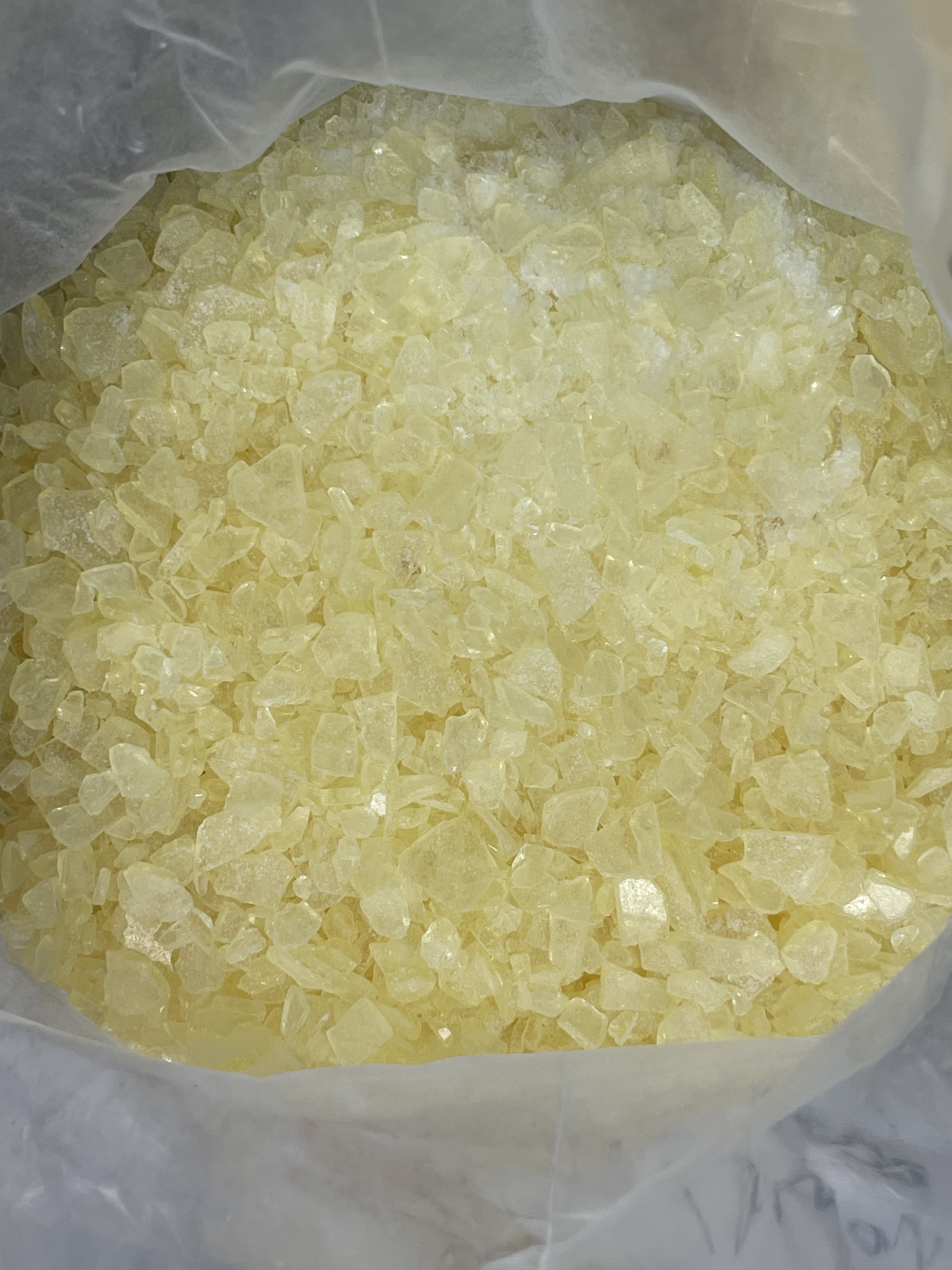
When blended with rubber, resin affects not only tack but also how the compound behaves in use. Its key characteristics include:
- Softening point, which affects hardness, heat resistance and the sealant’s service temperature range;
- Molecular weight and its distribution, which determine compatibility and the tendency to migrate;
- Aromaticity/polarity, which determine which polymers the resin is compatible with, meaning whether it forms a uniform blend that remains stable over time;
- Degree of hydrogenation, which influences colour, odour, UV resistance and resistance to oxidation.
How does resin change the properties of butyl rubber?
Butyl rubber (IIR) and polyisobutylene (PIB) are known for their chemical resistance and excellent barrier properties. Rubber on its own, however, has particular characteristics: during brief contact under pressure it behaves as a fairly stiff, elastic material, so it does not have time to conform to surface irregularities and is slow to establish contact with the substrate. Under a sustained load, by contrast, it tends to exhibit cold flow. Adding resin therefore:
- Provides tack and improves adhesion — it makes the compound softer and more compliant at the moment pressure is applied, allowing it to conform quickly to the substrate and fill surface irregularities.
- Helps balance adhesion and cohesion — a sealant must adhere to the substrate and maintain its internal integrity. The result depends on resin grade, loading and the complete formulation. Increasing tack does not automatically increase resistance to creep or deformation.
- Can make manufacture and application easier — a suitably selected resin can lower the viscosity of a butyl compound at its processing temperature and help it spread evenly. This effect needs to be checked for the specific formulation and processing conditions.
- Affects hardness and the service temperature range — a resin that softens at a higher temperature generally improves the sealant’s resistance to heat, but also makes it less flexible in freezing conditions.
Rubber provides the barrier properties and flexibility, while resin helps it remain firmly bonded to the substrate and behave predictably at both low and high temperatures.
Which resins are used, and why are they not all suitable?
Whether a resin performs well in a butyl sealant depends primarily on its compatibility with the rubber. A compatible resin blends so thoroughly with the rubber that the result is a uniform material in which the two components cannot be distinguished. An incompatible resin behaves more like fat in soup: it may appear evenly distributed immediately after mixing, but over time it gathers into clusters and separates from the rest of the compound. The sealant then loses its uniformity and adhesion, and some of the resin reaches the surface.
The table below compares the main types of resin.
| Resin type | At a glance | Compatibility with butyl rubber | Resistance to sunlight and heat | Migration risk | Typical applications |
|---|---|---|---|---|---|
| C5 — aliphatic | Derived from the C5 petroleum fraction; structurally close to butyl rubber, with good tack at a reasonable price. Non-hydrogenated grades may yellow over time. | Good | Moderate | Low to moderate | General-purpose tapes and compounds; construction |
| C9 — aromatic | Derived from the C9 petroleum fraction, with a structure markedly different from butyl rubber. Small additions harden the compound; larger additions may separate from it. Usually darker in colour. | Limited | Low to moderate | Elevated at higher addition levels | Hardening and reinforcing the compound; less demanding applications |
| C5/C9 — mixed | A copolymer combining the characteristics of both fractions; properties depend on the proportion of aromatic content. | Moderate, depending on grade | Moderate | Moderate | General-purpose formulations; a compromise between tack and strength |
| HC9 — hydrogenated C9 | Hydrogenated C9: lighter in colour, more durable and more compatible with butyl rubber than conventional C9. | Good | High | Low to moderate | Applications requiring a light colour and durability |
| DCPD / HDCPD — conventional / hydrogenated | Conventional DCPD is inexpensive but darkens and ages. Hydrogenated HDCPD is virtually colourless, odourless and highly durable. | Moderate for DCPD; very good for HDCPD | Low for DCPD; very high for HDCPD | Low for HDCPD | Insulating glass units, photovoltaics and automotive applications (HDCPD) |
| Rosin and its derivatives — natural origin | Obtained from pine resin or tall oil, usually chemically modified, for example as esters. Bonds well to many materials, but contains oxygen and is therefore less compatible with butyl rubber. Non-hydrogenated grades darken. | Limited, depending on grade | Low for non-hydrogenated grades | Variable, depending on grade | Adhesion to difficult substrates; small additions |
| Polyterpenes — natural origin | Made from terpenes, the constituents of pine turpentine and citrus oils. Compatible with butyl rubber and provide high tack. | Good | Moderate | Low to moderate | High-tack tapes |
Indicative comparison. Actual performance and migration depend on resin grade, loading, the complete formulation and contact materials. Selection requires supplier data and testing for the intended application.
Choosing a resin to control performance in use
The type of resin alone can change a sealant’s properties. The most important are:
- Tack versus cohesion — resin softening point is an important parameter, but it does not determine sealant performance on its own. Lower-softening-point grades may favour tack at room temperature, while higher-softening-point grades may help the compound retain its shape in warm conditions. Compatibility, loading and the other ingredients also influence the result.
- Low-temperature flexibility — the effect of a resin on stiffness and tack in the cold depends on its grade and loading. An unsuitable choice can reduce tack or increase the risk of cracking, so performance should be assessed at the intended service temperature.
- Processing behaviour — how easily the compound can be melted, metered and applied on production lines.
- Colour, odour and volatile emissions — particularly important in vehicles and indoor applications; hydrogenated resins have an advantage here.
- Ageing — resistance to sunlight and oxygen determines whether the sealant will harden and lose adhesion over the years.
- Barrier performance — a resin that is compatible with butyl rubber, added at a level suited to the formulation, helps preserve its low permeability to water vapour and gases.
Migration: a hidden threat to durability
Sealant durability depends on both its initial properties and changes during service. Migration is the slow movement of certain components within the sealant and out of it. It is invisible to the naked eye and takes place over months or even years. This is where resin selection becomes particularly important.
What migrates?
The main migrating components are those that are not permanently retained in the rubber: plasticisers such as polybutene or oils, the lightest resin fractions, and resins with poor rubber compatibility that gradually separate from the compound.
What encourages migration?
Migration depends on compatibility with butyl rubber, the proportion of low-molecular-weight fractions, plasticiser loading and service conditions. Poorly compatible components, or components present in excess, can separate from the compound over time and enter adjacent materials. Resin softening point alone is not enough to assess this risk. High service temperatures, for example at a sun-exposed glazing edge or on a roof, can accelerate the process. Contact with plastics or porous substrates that absorb plasticisers also matters.
How can migration be prevented?
Migration risk can be addressed when developing the formulation. Select specific grades with confirmed IIR/PIB compatibility and a low content of light or volatile fractions. Depending on the formulation, suitable options may include C5 resins, hydrogenated HC9 or HDCPD resins, or selected polyterpenes. Conventional aromatic C9 is not equivalent to hydrogenated HC9, and a resin family name alone does not confirm suitability. Hydrogenation can improve colour stability and ageing resistance. Resin and plasticiser should be selected together, with compatibility and migration checked in the finished sealant and against its actual contact materials.
Summary
Butyl rubber is primarily responsible for the sealant’s barrier performance. Resin determines its adhesion to the substrate, its behaviour at high and low temperatures, and its long-term durability. Migration is particularly important: effects such as oily streaks, declining adhesion or fogging inside an insulating glass unit often become apparent only after years of service.
Resin selection therefore involves more than tack alone. Compatibility with butyl rubber and with the materials that the sealant will contact is equally important. A resin selected with these criteria in mind, combined with suitable stabilisation of the compound, helps the seal retain its properties throughout its service life.